What happens if I am right on the border of two weight ranges of pogo stick?
Choosing the right equipment is the most critical step in mastering the art of the pogo stick. Whether you are a casual jumper in San Francisco or an aspiring trick artist in New York, the pogo stick you choose determines not just your performance, but your safety. A common dilemma arises when your body weight falls exactly on the border—or “crossover” point—of two different weight ranges.
In this guide, we will break down exactly how weight classes work, what happens when you land in the middle, and how to make the right choice to ensure a smooth, high-bouncing experience.
The Mechanics: Why Weight Classes Matter
Pogo sticks are engineered with specific suspension systems, whether they rely on traditional steel springs or modern air-pressure technology. These systems are calibrated to provide optimal “rebound energy” based on the force applied to them.
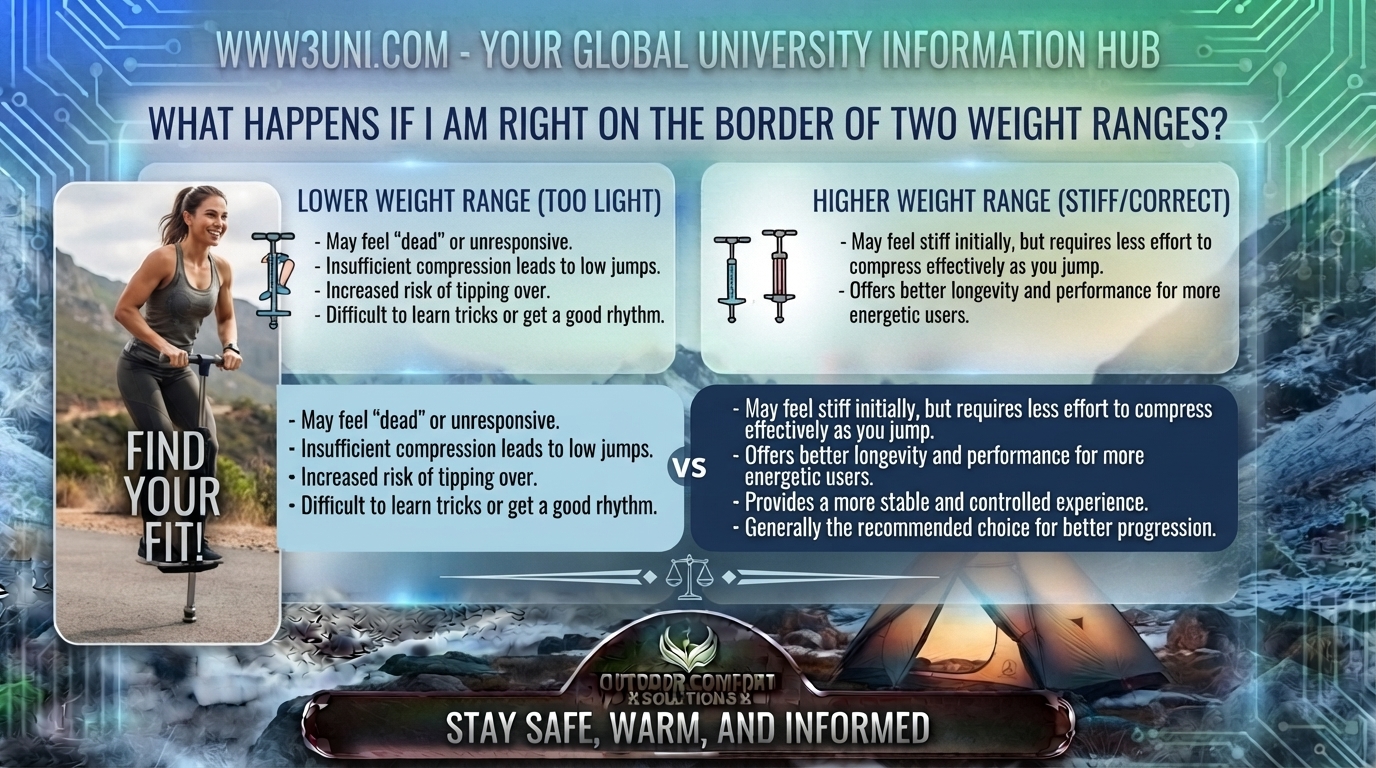
- If you are under the weight range: The spring or air chamber will be too stiff. You won’t be able to compress it effectively, resulting in a “dead” bounce that feels more like jumping on a rigid pole than a spring-loaded device.
- If you are over the weight range: The suspension will “bottom out” (compress completely). Not only does this ruin the bounce, but it can also cause the pogo stick to sustain structural damage or deliver harsh, jarring impact to your legs and joints.
Being on the Border: The “Crossover” Strategy
If you find yourself right on the edge of two weight categories, you are in a unique position. Here is how to decide:
1. Err on the Side of Higher Capacity
The general rule of thumb in the pogo community is: If you are hesitating between two models, choose the one with the higher weight capacity.
A stick rated for a higher weight range is usually built with more robust materials and a slightly stiffer spring. While it might feel marginally “harder” to compress at first, it will offer better longevity and perform more reliably as you gain skill and start jumping higher.
2. Consider Your Skill Level
- Beginners: If you are just starting, a stick designed for your current weight range is usually safer because it provides a more predictable, responsive bounce without requiring extreme effort.
- Intermediate/Advanced: If you plan on doing tricks or jumping at higher intensities, choose the higher weight class. As you progress, your “impact force” increases, and a lower-rated stick will begin to bottom out prematurely.
10 Frequently Asked Questions (FAQ)
1. Can I use a pogo stick if I am slightly over the weight limit?
It is not recommended. Exceeding the weight limit can lead to broken springs, bent frames, and a significantly increased risk of injury due to bottoming out.
2. Does air pressure make weight ranges more flexible?
Yes. Air-powered pogo sticks (like the Vurtego V4) allow you to adjust the resistance by pumping air in or out. These are much more versatile if you are between weight classes.
3. What happens if the stick “bottoms out”?
You will feel a hard, jarring sensation through your feet and legs, and the stick will stop bouncing effectively. This indicates the spring has reached its maximum compression.
4. Should I buy a kid’s pogo stick if I’m a small adult?
Only if the weight capacity matches. Never rely on age recommendations alone; always verify the weight capacity.
5. How do I know if my pogo stick is the right stiffness?
The stick should feel like a natural extension of your legs. If you have to put all your weight into it to get a tiny hop, it’s too stiff. If it hits the ground with a “clack” every time you jump, it’s too soft.
6. Do I need safety gear?
Absolutely. Regardless of weight class, always wear a helmet, knee pads, elbow pads, and closed-toe shoes.
7. Does the surface matter for weight distribution?
While the stick’s spring is the main factor, using a pogo stick on uneven or soft surfaces can make it harder to maintain the necessary vertical force, regardless of weight.
8. Can I modify the spring to fit my weight?
Do not attempt to modify the internal mechanics of a pogo stick. It can be dangerous and usually voids your warranty.
9. How often should I check my pogo stick for wear?
Check it before every ride. Look for cracks, rust, or loose bolts, especially the rubber tip, which is critical for grip and safety.
10. What is the best way to start jumping?
Start in a clear, flat area. Practice balancing before you attempt to get high air.
Conclusion
Landing on the border of two weight ranges is common. When in doubt, choose the heavier capacity model. It provides a better platform for growth, ensures better durability, and protects you from the harsh impacts of a bottoming-out pogo stick. Keep your equipment well-maintained, wear your safety gear, and remember that with practice, you will be mastering your new pogo stick in no time.
For those just starting out, this video provides excellent context on how to manage your weight and balance while on the stick: Beginner Tips for Pogo Sticking
This video is highly relevant as it offers practical, visual demonstrations of how to manage your weight and center of gravity on a high-performance pogo stick.