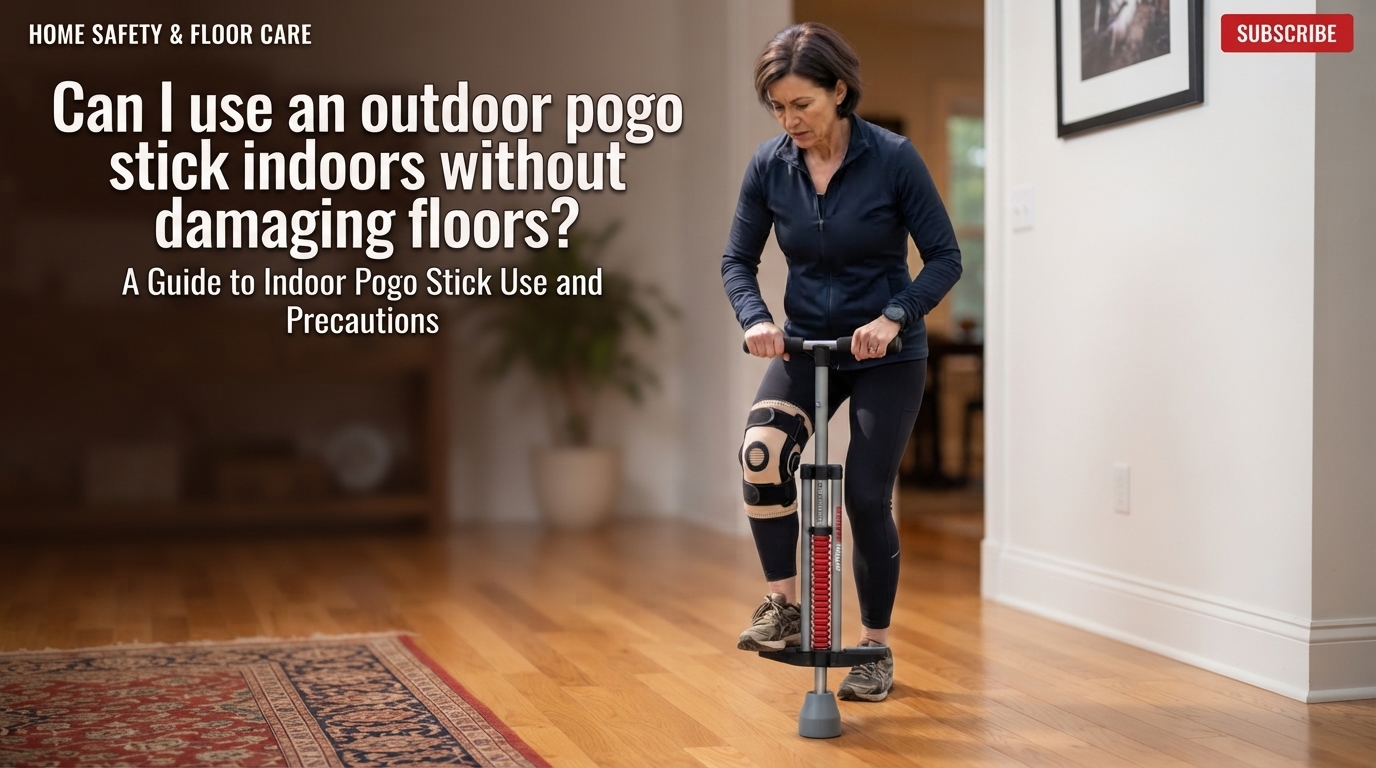
Are pogo sticks unhealthy?
Are pogo sticks unhealthy? A Comprehensive Guide to Safety, Benefits, and Risks.
Pogo sticks have long been a symbol of active play and physical challenge. From children bouncing in backyards to fitness enthusiasts using pogo sticks as part of their workout routine, these devices blend fun with physical activity. However, questions arise about their safety and health impact.
This article dives deep into the question: Are pogo sticks unhealthy? It covers the physical effects, injury risks, safety tips, health benefits, and considerations for users in different age groups and regions like Texas, New York, California, and Washington.
What Is a Pogo Stick?
A pogo stick is a device that allows the user to jump off the ground in a bouncing motion, aided by a spring or air pressure mechanism. Typically, it consists of:
- A central shaft or pole
- Handles for grip
- Footrests
- A spring or pneumatic system for bouncing
Modern designs vary from basic spring models to advanced air-powered or adjustable resistance pogo sticks.
The Popularity of Pogo Sticks in Texas, New York, California, and Washington
Each of these states has a vibrant culture of outdoor activity and fitness:
- Texas: With its large suburban spaces and active communities, pogo sticks are common in family backyards and parks.
- New York: Urban and suburban areas both enjoy pogo sticks, especially in playgrounds and recreational zones.
- California: Known for its fitness culture, California sees pogo sticks used both recreationally and for exercise.
- Washington: Outdoor activity is a lifestyle, and pogo sticks are popular in both urban and rural settings.
Understanding regional usage helps frame how pogo sticks fit into daily life and health considerations.
Are Pogo Sticks Unhealthy? The Risks Involved
Injury Risks
The primary concern about pogo sticks is the risk of injury. Common injuries include:
- Sprains and strains: Often caused by awkward landings.
- Fractures: Particularly wrist or arm fractures from falls.
- Head injuries: Resulting from falls without protective gear.
- Bruises and abrasions: From minor falls or missteps.
Factors That Influence Injury Risk
- User age: Younger children may lack coordination.
- Experience level: Beginners are more prone to falls.
- Protective gear: Helmets, wrist guards, knee/elbow pads reduce injury risk.
- Surface: Hard surfaces like concrete increase injury severity.
- Pogo stick quality: Well-built sticks with proper shock absorption are safer.
Long-Term Health Concerns
There are no established long-term health risks directly linked to using pogo sticks. However, repeated improper use or injury can cause chronic issues like joint pain or mobility problems.
Are Pogo Sticks Bad for Your Joints?
A common question is whether pogo sticks cause joint damage. The impact forces during bouncing can stress the knees, ankles, and hips, but this depends on:
- Jumping technique
- Frequency and intensity of use
- Individual joint health
Moderate use with proper technique is generally safe and can even strengthen muscles supporting the joints. Overuse or poor form may lead to joint discomfort.
Health Benefits of Using Pogo Sticks
Cardiovascular Fitness
Hopping on a pogo stick raises heart rate, offering a moderate cardiovascular workout that improves heart and lung health.
Muscle Strength and Coordination
Using a pogo stick engages:
- Leg muscles (calves, quadriceps)
- Core muscles for balance
- Arm muscles for control
It improves coordination, balance, and motor skills.
Bone Health
The low-impact bouncing stimulates bone density, beneficial especially for growing children.
Mental Health Benefits
Physical activity releases endorphins, reducing stress and promoting mental well-being.
Safety Tips for Using Pogo Sticks
- Always wear protective gear: helmet, wrist guards, knee and elbow pads.
- Choose a safe surface: smooth grass or rubber mats are better than concrete.
- Ensure the pogo stick is age-appropriate and in good condition.
- Start slow if you are a beginner and practice balance before jumping.
- Supervise children closely.
- Warm up before use to reduce injury risk.
Pogo Sticks and Children: Safety Considerations
Parents in Texas, New York, California, and Washington should consider:
- Age recommendations (usually 5+ years)
- Proper sizing of pogo sticks
- Teaching safe use and fall techniques
- Setting time limits to avoid fatigue
Pogo Sticks for Adults: Fitness and Fun
Adults use pogo sticks for:
- Cross-training workouts
- Balance and agility improvement
- Low-impact cardio exercise
Choosing a professional or fitness-grade pogo stick is recommended for durability and safety.
Common Myths About Pogo Sticks and Health
- Myth: Pogo sticks cause permanent joint damage.
Fact: Proper use strengthens joints; injury results from misuse.
- Myth: Only kids use pogo sticks.
Fact: Adults use them for fitness and fun. - Myth: Pogo sticks are inherently dangerous.
Fact: With precautions, risks are minimal.
Pogo Stick Injuries: Statistics and Prevention
While exact injury statistics vary, emergency rooms report cases related to falls and fractures. Prevention through education and safety gear reduces these numbers significantly.
How to Choose a Safe Pogo Stick
- Check weight limits and size.
- Look for spring quality or air pressure systems.
- Prefer models with shock absorbers.
- Read reviews and safety ratings.
- Buy from reputable brands.
Maintenance and Care for Your Pogo Stick
- Regularly inspect for wear and tear.
- Tighten bolts and screws.
- Replace worn parts.
- Store in a dry place.
Conclusion: Are Pogo Sticks Unhealthy?
Pogo sticks are not inherently unhealthy. When used properly with safety measures, they provide substantial physical and mental health benefits. The risks mainly come from misuse, lack of protective gear, and unsafe environments.
For families and fitness enthusiasts in Texas, New York, California, and Washington, pogo sticks can be a fun, effective tool for exercise and play — promoting active, healthy lifestyles.
FAQs About Pogo Sticks and Health
Q: Can pogo sticks cause permanent injuries?
A: Permanent injuries are rare and usually due to severe falls or accidents without protective gear.
Q: Are pogo sticks good exercise?
A: Yes, they improve cardiovascular health, balance, and muscle strength.
Q: At what age can children safely use pogo sticks?
A: Generally from age 5 and up, with adult supervision.
Q: Should I wear a helmet on a pogo stick?
A: Absolutely. Helmets and pads significantly reduce injury risk.